

Overview
A Safer, Cleaner Way To Clean Tanks
Manual tank cleaning means confined-space entry, large crews and high volumes of contaminated water. Automatic tank cleaning (ATC) moves the work outside the tank: fully rotatable nozzles wash the internal surfaces while controlled pumps and separation recover the water for reuse in the loop.
- Little to no confined-space entry
- Wash water continuously recycled after separation
- Only solid waste left to dispose of
- Fewer people on site and shorter tank downtime
- Compact containerised units, quick to mobilise

Closed-Loop Process
How It Works
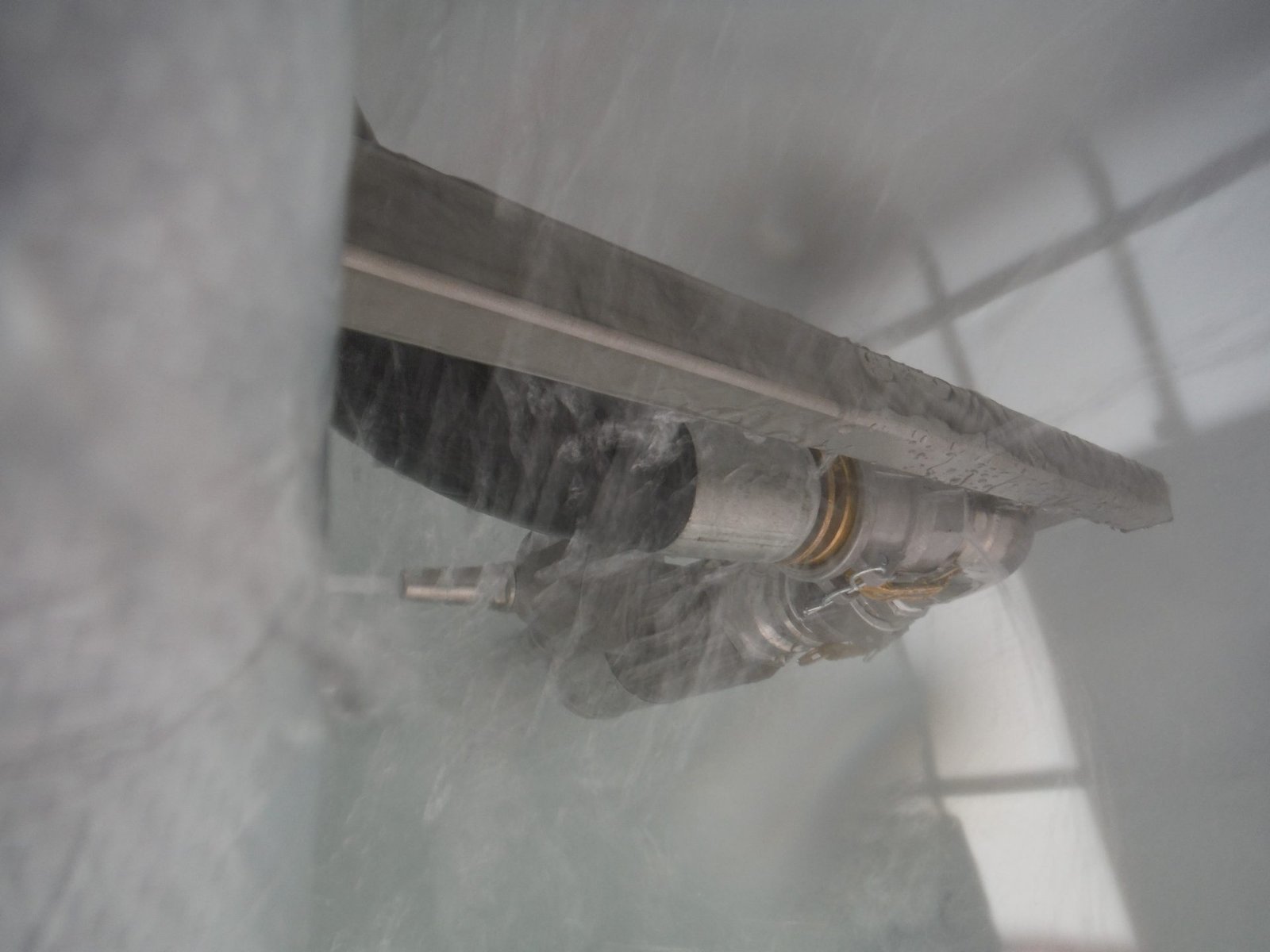
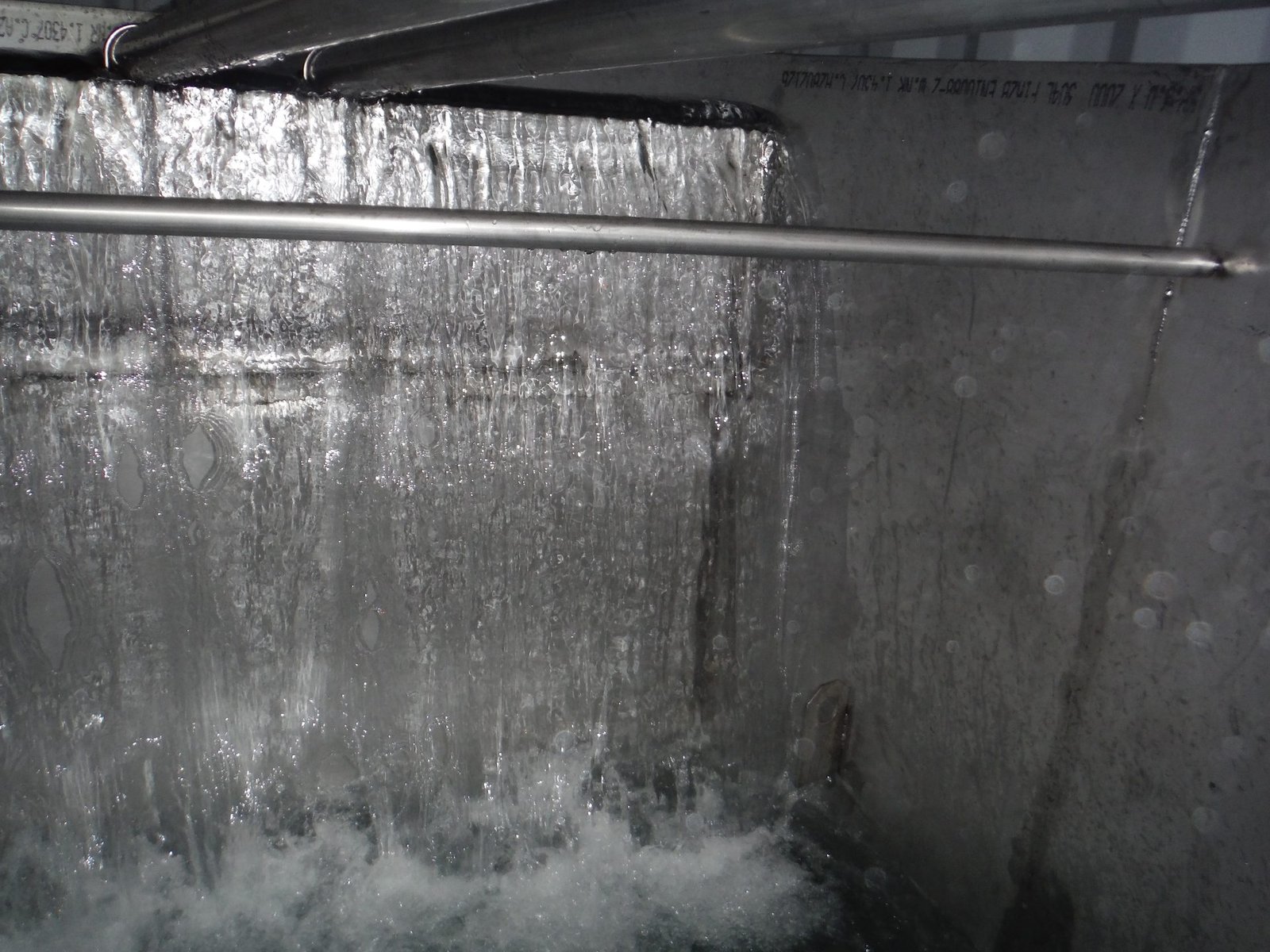
The recovered water goes back to the nozzles, so fresh-water demand and liquid waste fall sharply, and only the separated solids leave site for disposal.
Safety First
Taking People Out Of The Tank
Confined spaces are among the most hazardous work environments in the industry. ATC keeps the crew outside the tank for the cleaning phase and reduces entry to inspection only, where required.

Equipment
Units Built For Field Work
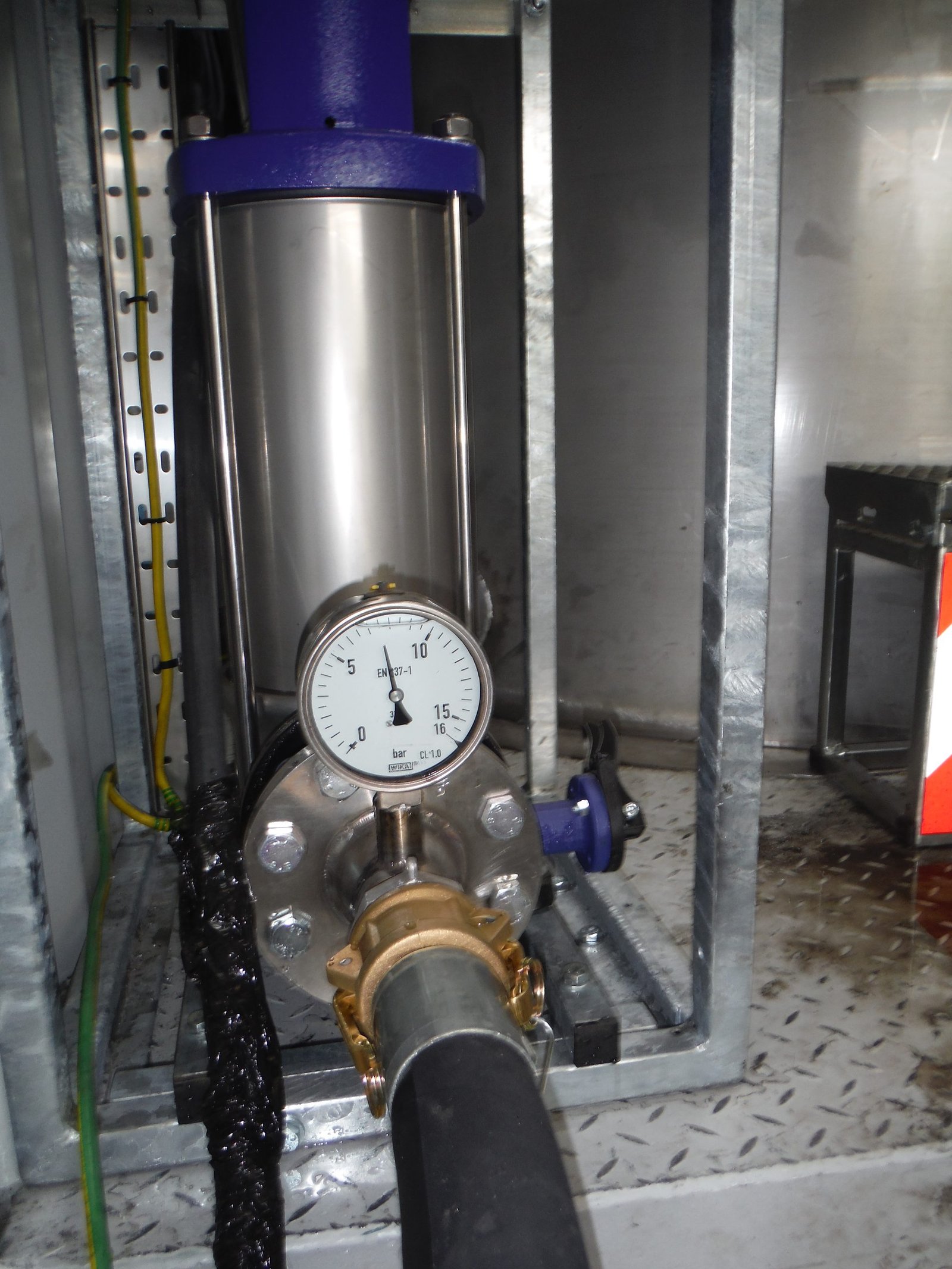
Containerised units with stainless steel tanks, vertical multistage pumps and integrated controls.


